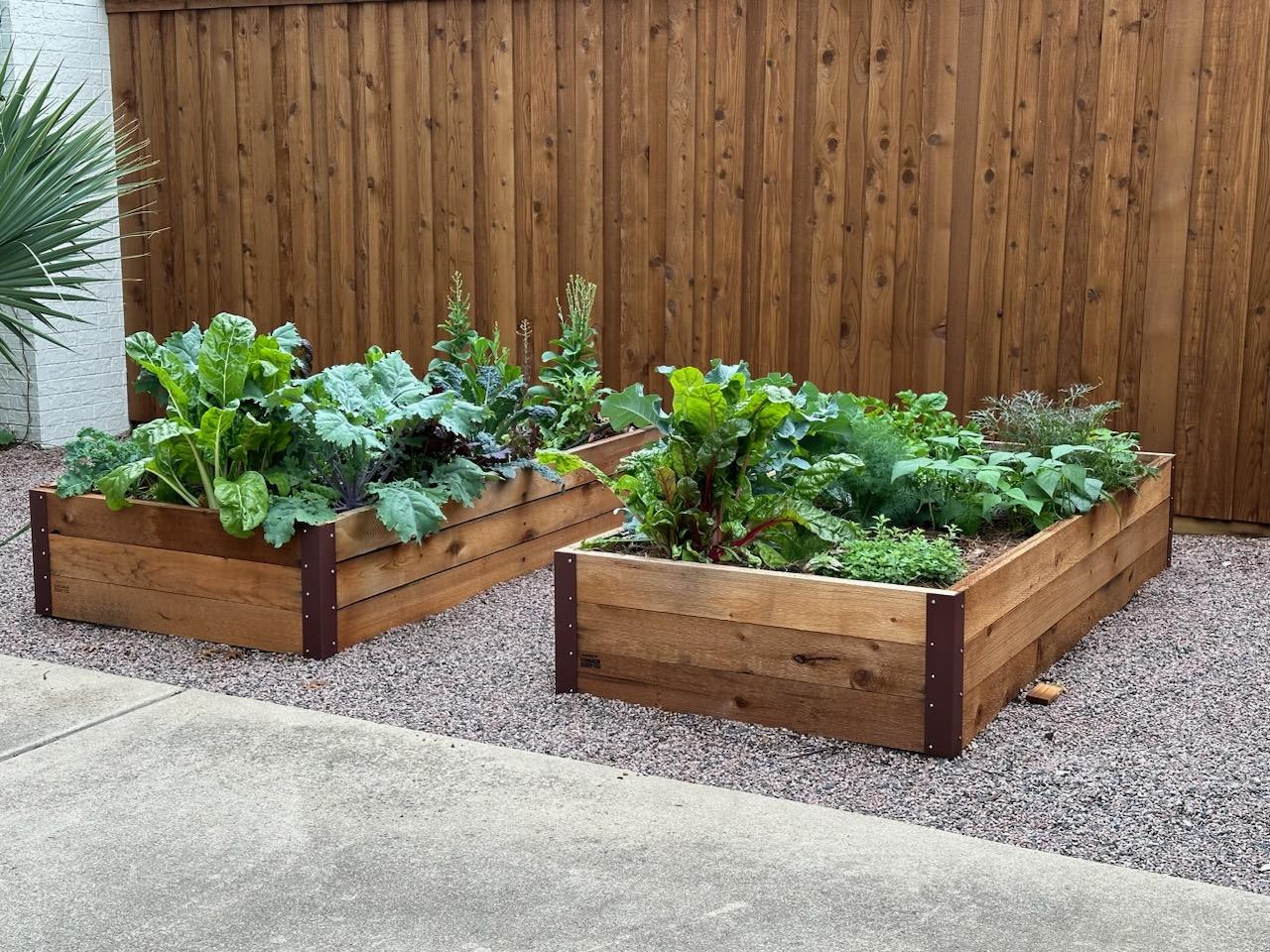
Best Sunlight for your Garden
Best Sunlight for Your Garden
The most common reason home gardens fail in North Texas isn't drought or pests. It's the wrong amount of light.
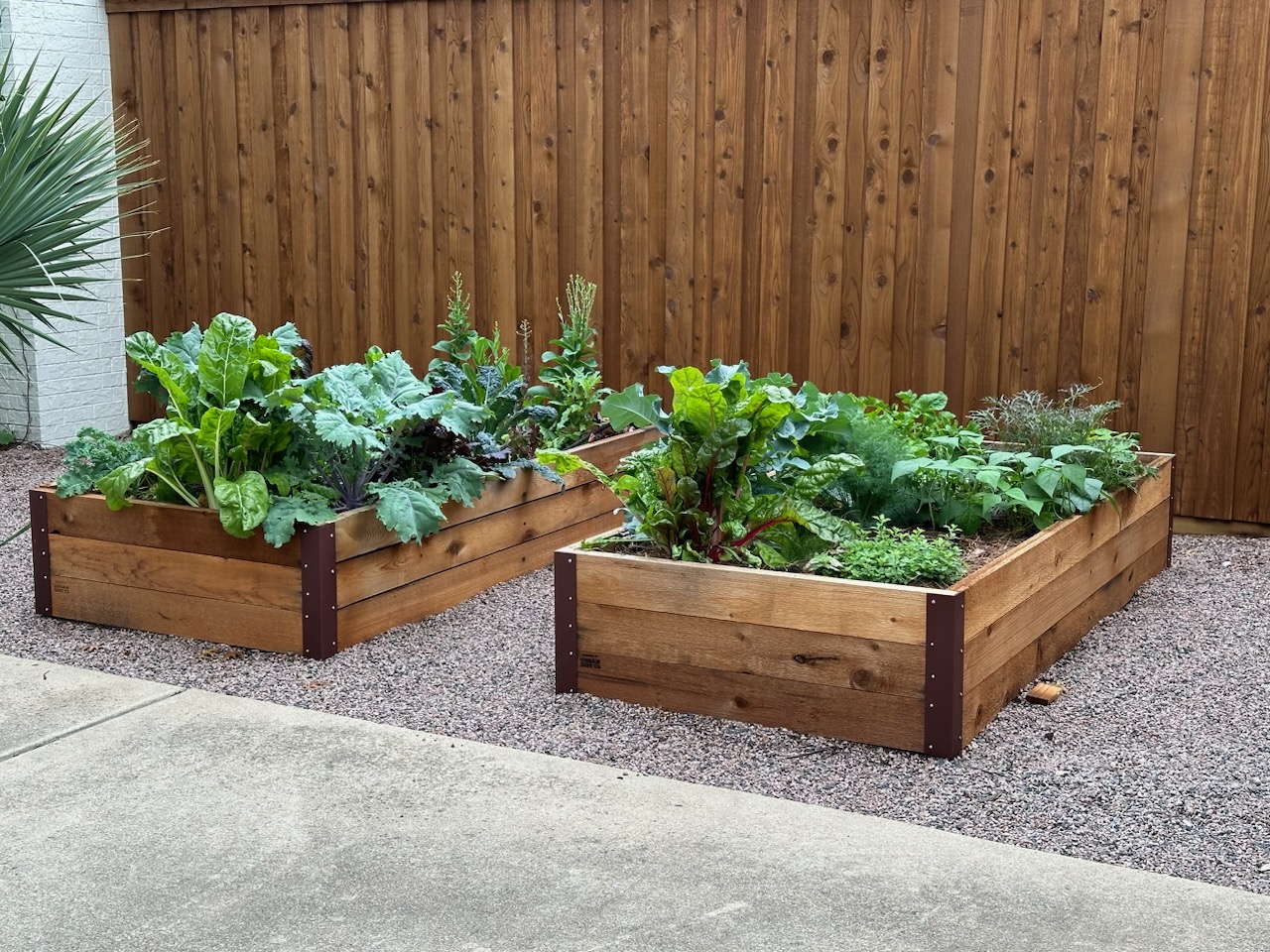
Of all the questions I get from new gardeners, the sunlight question comes up the most. And honestly, it makes sense — sunlight is invisible until you really start paying attention to it. Most of us walk past our yards a dozen times a day without ever noticing where the light actually falls, or when, or for how long.
Until we try to grow food. And then it suddenly matters a lot.
Here's everything I've learned about sunlight for home gardens here in North Texas — including some things that might surprise you, especially if you've tried to grow vegetables in Texas summer and wondered why everything bolted or burned.
Why Sunlight is the Foundation of Everything
Plants make food through photosynthesis — and photosynthesis runs on sunlight. Without adequate light, plants can't produce the energy they need to grow leaves, set fruit, develop roots, or fight off disease.
In practical terms: a tomato plant in a low-light location won't just produce fewer tomatoes. It will grow leggy and weak, be more susceptible to fungal problems because it stays damp, and will likely disappoint you enough that you'll blame yourself when really the problem was the location.
The good news is that once you understand what your plants actually need — and what your yard actually offers — you can match the two. That's the whole game.
📷 VISUAL NOTE: Image: Split comparison — a thriving tomato plant in full sun vs. a leggy, struggling plant in partial shade. Side by side, clearly labeled.
Understanding the Light Categories
Full Sun — 6 to 8+ Hours of Direct Light
This is what most vegetables want. When a seed packet or plant tag says 'full sun,' it means at least 6 hours of unfiltered, direct sunlight per day — not light filtered through a tree canopy, not reflected light off a white wall, but actual direct sun hitting the leaves.
In North Texas, 8 hours is ideal for your biggest producers: tomatoes, peppers, cucumbers, squash, eggplant, and beans. These plants are working hard to develop fruit, and they need a lot of light energy to do it.
Rule of thumb: If you want to eat it as a fruit or a root — tomatoes, peppers, carrots, beets — it needs full sun. If you want to eat the leaves — lettuce, kale, spinach, herbs — it can handle a bit less.
Partial Sun / Partial Shade — 3 to 6 Hours
This range is workable for a surprising number of crops — particularly in the Texas heat. Leafy greens, most herbs, and root vegetables like radishes and beets can do well with 4–5 hours of good direct light.
More importantly for North Texas: partial afternoon shade in the summer can actually extend the life of cool-weather crops in the spring and fall shoulder seasons. A bed that gets morning sun and afternoon shade will hold lettuces and spinach weeks longer than a bed baking in all-day western exposure.
Full Shade — Under 3 Hours
I'll be honest with you: this is not a vegetable garden spot. You can grow some ornamental plants and certain ferns in deep shade, but if you want to grow food, you need more light than this.
If your only outdoor space is heavily shaded — a north-facing patio, a yard surrounded by mature trees — we can talk about options. But it's better to know upfront than to invest in a bed that won't produce.
📷 VISUAL NOTE: Image: Diagram or illustrated graphic showing a yard with shaded vs. sunny zones labeled — full sun, partial sun, shade. Clean and educational.
The North Texas Light Wrinkle: Afternoon Heat
Here's where Texas gets interesting — and where generic gardening advice from national websites will get you into trouble.
In most of the country, more sun equals better growing conditions through the summer. In North Texas, that equation breaks down somewhere around late June.
When temperatures are regularly in the 95–105°F range and the western afternoon sun is hitting your garden at maximum intensity, full sun becomes too much sun for many crops. The soil heats up to temperatures that damage roots. Transpiration — the process by which plants release water through their leaves — goes into overdrive and the plant can't keep up even with regular watering.
This is why I talk about afternoon shade as a tool, not a problem. A raised bed that receives good morning sun from the east — say 7am to 1pm — and then gets protection from the harshest afternoon western exposure often outperforms a bed that gets unfiltered all-day sun during a Texas summer.
"In Texas, afternoon shade isn't always the enemy. It can be the difference between a plant that thrives and one that just survives the summer."
📷 VISUAL NOTE: Image: Thermometer graphic or styled text callout showing Texas summer temps, with a raised bed in foreground and a fence or wall casting afternoon shade. Bold, informative.
Morning Sun vs. Afternoon Sun — Which Is Better?
For North Texas vegetable gardens, morning sun wins. Every time.
Here's why:
Morning sun is cooler and less intense — it drives photosynthesis without the thermal stress of afternoon heat
Morning sun dries overnight dew off the leaves quickly, which reduces fungal disease pressure
Afternoon sun in Texas summer is the most intense, hottest light of the day — the kind that wilts plants and scorches leaves
A plant that photosynthesizes efficiently from 7am–1pm and then rests in dappled afternoon shade will often outproduce one fighting through all-day exposure in extreme heat
When I'm scouting a new garden location, a spot with strong eastern exposure and a fence, wall, or established tree line to the west is genuinely ideal for Texas summer growing.
📷 VISUAL NOTE: Image: A raised bed in beautiful morning light, golden and clear. Bonus if there's a fence or hedge visible to the west in the background.
Seasonal Light Shifts: What Nobody Tells You
This is one of the things that catches new gardeners off guard: the sun's position in the sky changes significantly between seasons. A spot that's in full shade in December can be in full sun in July — or vice versa.
In the summer, the sun rises in the northeast, tracks high across the sky, and sets in the northwest. Shadows are short. More of your yard is in direct sun.
In winter, the sun rises in the southeast, travels a lower arc across the southern sky, and sets in the southwest. Shadows are long. Trees, fences, and structures cast much longer shadows than they do in summer.
Why does this matter? Because in North Texas, our most productive growing season for leafy greens and cool-weather crops is October through April. If you're scouting your garden location in July, you're seeing maximum summer sun — not the conditions your fall and winter garden will actually experience.
Scout your garden location in October or November if you can. That's when the shadows are longer and you'll get a truer picture of what your cool-season garden will actually experience.
📷 VISUAL NOTE: Image: Two photos of the same yard in summer vs. winter, showing the dramatic difference in shadow length and coverage. Ideally the same vantage point, same time of day.
How to Actually Measure Your Sun
You don't need any fancy equipment. Here's the method I recommend to every client:
Pick a clear day — ideally in the season you're planning to plant
Go outside at 8am, 10am, 12pm, 2pm, and 4pm
Take a photo of your intended garden spot at each time
Note whether the spot is in full direct sun, filtered light, or full shade at each hour
Count the hours of direct sun — that's your number
If you're planning a spring or fall garden, do this assessment in the same season. Don't assess in midsummer for a fall garden — the sun angle will be different and you'll get a misleading read.
There are also sun calculator apps (Sun Seeker and Sun Surveyor are popular ones) that overlay the sun's path on your phone camera — useful if you want to project where the sun will be at different times of year.
📷 VISUAL NOTE: Image: Hands holding a phone with a sun tracking app open, pointed at a backyard garden area. Clean and practical.
What to Grow Where: A Quick Texas Guide
8+ Hours Full Sun
Tomatoes, peppers, eggplant
Cucumbers, squash, zucchini
Beans, okra
Basil (the more sun the better)
Corn (if you have the space)
6–8 Hours — Still Great for Most Vegetables
Broccoli, cauliflower, cabbage
Beets, carrots, radishes
Chard, collard greens, kale
Most herbs: parsley, cilantro, dill, thyme
4–6 Hours — Leafy Greens & Shade-Tolerant Herbs
Lettuce, spinach, arugula
Mint (actually prefers some afternoon shade)
Chives, sorrel
Asian greens: bok choy, tatsoi, mustard greens
One more note on herbs: woody perennial herbs — rosemary, lavender, sage, oregano — are incredibly heat and sun tolerant. They thrive in full Texas sun and can double as edible landscaping around your garden beds. Once established, they're practically bulletproof.
📷 VISUAL NOTE: Image: A lush collection of herbs — rosemary, sage, thyme, and parsley — growing in a sunny raised bed or border planting. Rich color and texture.
Dealing With the Spots You Have
Here's the realistic version: most yards don't have a perfect, unobstructed, full-sun location sitting empty and waiting for you. You have trees. You have a fence line. You have a shed that casts a shadow from 10am to noon. You have a situation.
That's fine. Work with what you have:
Maximize your best light: even one or two raised beds in your sunniest spot can be incredibly productive
Match the plant to the light: put your leafy greens in the shadier spot and your tomatoes in the best sun
Consider containers: if your only good sun is a deck or a patio, a deep container or half-barrel planter can be a surprisingly productive growing space
Prune for light: if a tree is shading your best spot, strategic pruning can sometimes open up significantly more light without removing the tree
I've helped clients grow impressive gardens in genuinely challenging yards. It just takes an honest assessment of what you have and a plan that works with reality instead of fighting it.
When to Call In a Second Set of Eyes
Sometimes the best thing you can do for your garden is have someone walk your yard with you before you spend a dollar. I offer one-hour garden coaching consultations specifically for this — we'll assess your sun, your soil, your water access, and your goals, and figure out the best setup for your specific yard.
No guesswork. No expensive mistakes. Just a plan that actually makes sense for your space and the North Texas growing calendar.
Ready to figure out your best garden setup? Book a one-hour Garden Coaching Consultation at thegrowerslife.com. Let's get your garden started right.
📷 VISUAL NOTE: Image: Piper walking a residential yard with a client, both looking up and around, assessing the space together. Candid coaching moment.
The Grower's Life by Urban Dirt Co. · thegrowerslife.com · growing local gardeners
