Setting Up Your Garden in the Best Location
Setting Up Your Garden in the Best Location
Because where you plant is just as important as what you plant.
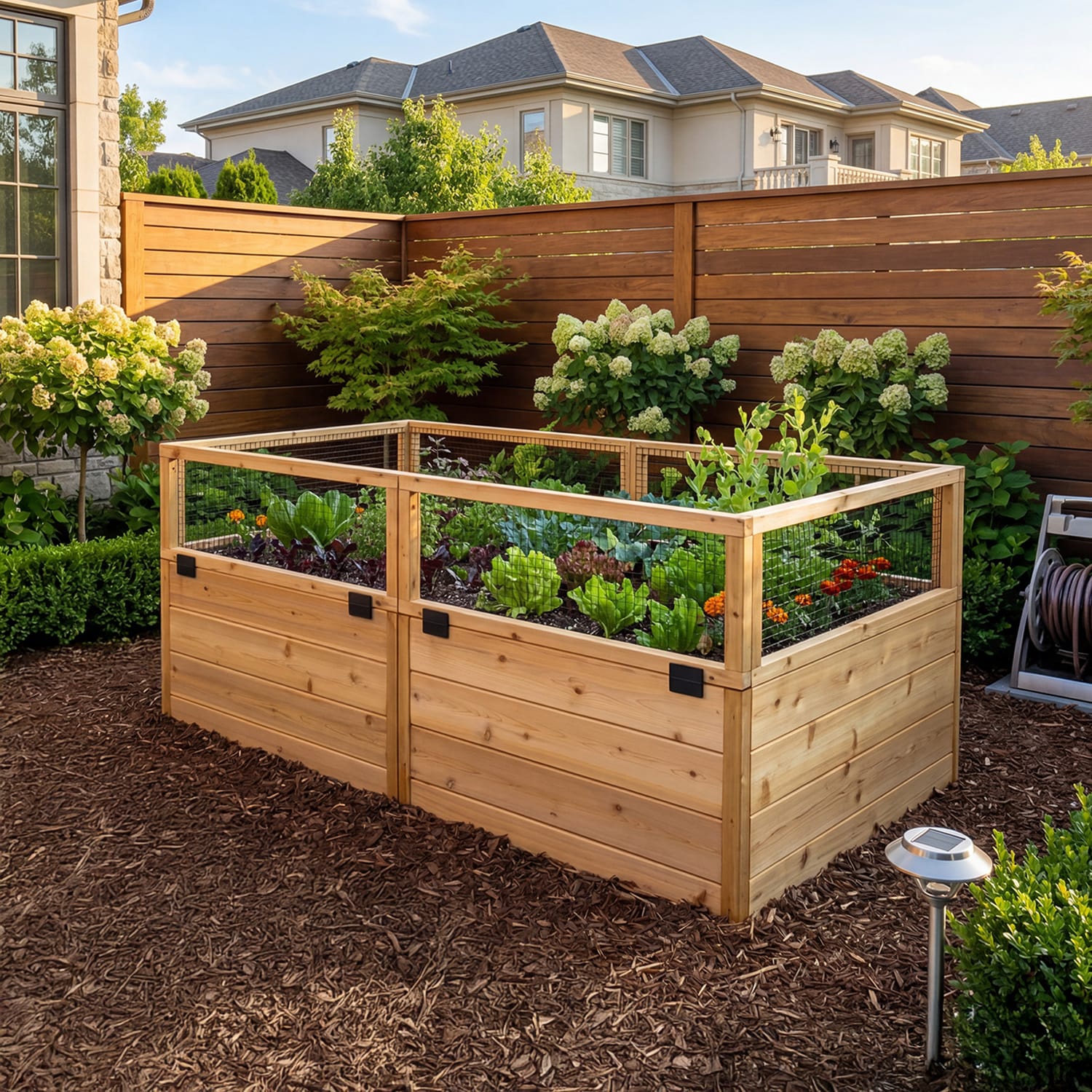
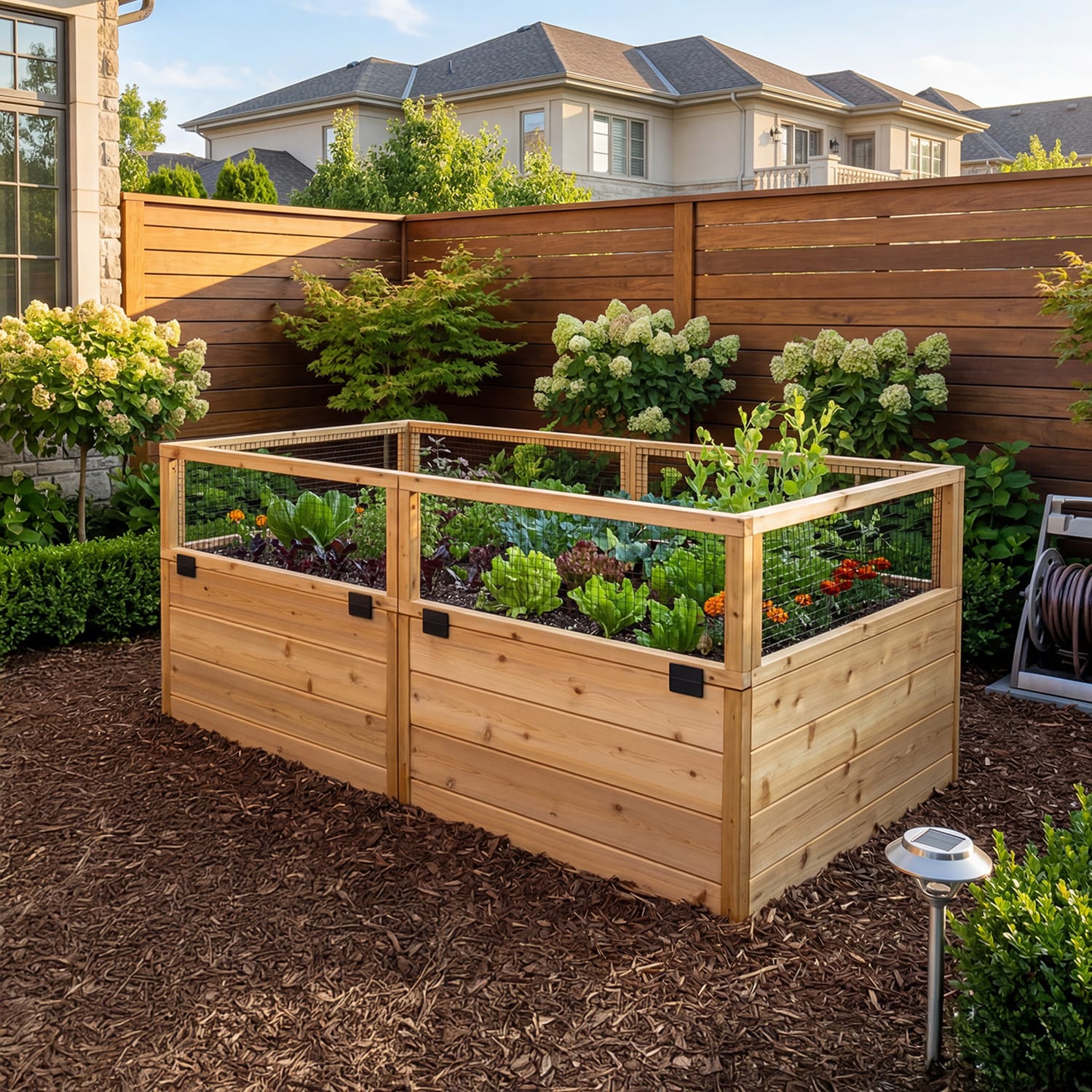
📷 VISUAL NOTE: Hero image: Wide shot of a raised bed garden in full harvest on a sunny North Texas morning — ideally on a residential patio or side yard. Shows context and scale.
You've made the decision. You want a garden. Maybe it's been on your list for years, or maybe a neighbor walked by with a bowl of homegrown tomatoes and you finally said, that's it — I'm doing this.
The next question everyone asks me is: where do I put it?
And honestly? This is the most important decision you'll make. More important than what you plant, what soil you buy, or what raised bed kit you order. A garden in the wrong spot is a garden that's going to fight you every single step of the way.
Let me walk you through how I think about location — and how I've helped dozens of North Texas homeowners find the right spot in their yard (even when it didn't look obvious at first).
Start With the Sun (We'll Cover This in Detail in Post 2)
Before you do anything else, you need to spend a few days watching your yard. Walk outside in the morning, at noon, and in the late afternoon. Notice where the light falls. Notice where the shadows are.
Most vegetables need a minimum of 6 hours of direct sunlight per day — and honestly, here in North Texas, 8 hours is the sweet spot for heavy producers like tomatoes, cucumbers, and peppers.
We'll go deep on sunlight in the next post, but for now: if you're not sure where the sun hits, that's your first homework assignment. Watch your yard for 3 days before you commit to a spot.
Quick tip: Take a photo of your yard from the same spot at 8am, 12pm, and 4pm on the same day. Those three photos will tell you almost everything you need to know about where the sun actually falls.
📷 VISUAL NOTE: Image: Side-by-side photo triptych showing the same backyard at morning / midday / late afternoon, with shadow patterns visible.
The North Texas Soil Reality
Here's something I tell every single one of my clients before we break ground: we don't grow in the ground here. Not if we can help it.
North Texas clay soil is challenging. It compacts, it drains poorly, it bakes in the summer and turns to concrete in the heat. Trying to amend your native soil enough to grow a productive vegetable garden is a losing battle — and an expensive one.
This is why raised beds are the foundation of everything we do at The Grower's Life. We bring in quality soil, build a contained growing environment, and take the native ground conditions almost entirely out of the equation.
What this means for location: your raised bed doesn't need to sit on perfect ground. Gravel, compacted soil, concrete pavers, a patio slab — all of these can work as a base for a raised bed, as long as you have the right drainage and depth.
"We don't grow in the ground because we don't have great soil. Raised beds let us control everything from the roots up."
📷 VISUAL NOTE: Image: Close-up of cracked, dry North Texas clay soil next to a raised bed with rich dark soil and healthy seedlings. The contrast tells the story.
Water Access: Don't Skip This Step
This one trips up more people than almost anything else.
Your beautiful garden spot means nothing if getting water to it is a daily chore. I've seen clients install gorgeous raised beds at the back of a long, narrow yard — and then quietly stop watering them because running the hose back there every morning got old after two weeks.
Here's my rule: your garden should be within easy reach of a water source. Ideally, you're setting up a drip irrigation system on a timer — that's the approach I use in every commercial garden I manage, and it's equally valuable at home. A drip system with a timer takes the guesswork and the guilt out of watering. It just happens.
But even before you get to drip irrigation: stand in your ideal garden spot and ask yourself, can I get a hose here easily? Is there a spigot nearby? Is that spigot on the same side of the house?
If the answer is no — and you can't move the garden — factor the cost of a drip line extension into your planning from the start.
Everything goes on a drip system with a timer. It makes gardening much more pleasant and a lot more successful. If you're hand-watering every day in a Texas summer, you're making it harder than it needs to be.
📷 VISUAL NOTE: Image: Close-up of drip irrigation emitters at the base of leafy greens in a raised bed. Timer or controller visible in the background.
Proximity to Your Kitchen: The Secret Factor
You might be wondering why this matters. Here's the honest answer: gardens that are convenient get used. Gardens that require a trek to the far corner of the yard... don't.
This is something I've learned from years of managing culinary gardens for chefs. The closer the garden is to the kitchen door, the more often the chef walks out and snips something. The same is true at home.
If your garden is right outside the back door, you'll grab a handful of herbs for dinner three nights a week. If it's a long walk away, you'll mean to — and then reach for the dried stuff in the spice rack.
You don't need to be right at the back door. But within reasonable view and within easy walking distance makes a real difference in how often your garden actually feeds your family.
📷 VISUAL NOTE: Image: A homeowner stepping off a back porch with a small basket, walking to a nearby raised bed just a few steps away. Natural, candid feel.
Flat Ground vs. Slopes
Raised beds work best on relatively flat ground. A slight slope is manageable — you can level the bed itself, or use a tiered design on a gentle hillside. But a significant slope creates drainage problems and makes the build more complicated and more expensive.
If your most sun-drenched spot happens to be on a slope, don't give up on it — just plan for some additional leveling work upfront, and budget accordingly.
Also worth thinking about: what's downhill from your garden? During a heavy North Texas rain, raised beds can overflow. Make sure excess water has somewhere to go that isn't a neighbor's fence line or a foundation.
Wind and Heat Exposure
North Texas is windy. And in the summer, it is brutally hot. Both of these things matter when you're picking a location.
A garden that gets blasted by afternoon west wind every day is going to dry out faster, and your plants — especially tall ones like tomatoes and peppers — will struggle without some protection or staking.
Afternoon shade, counterintuitively, can actually be your friend in the Texas summer. A spot that gets full sun in the morning and filtered shade from 2-5pm will often outperform a spot that bakes in full western exposure all afternoon. Morning sun dries the dew off the leaves (good for disease prevention) and drives photosynthesis in the cooler part of the day.
A fence, a wall, or a row of established shrubs to the west can make a meaningful difference in summer growing conditions.
In Texas, afternoon shade isn't always the enemy. For summer crops, protection from the harshest western sun can mean the difference between a plant that produces and one that just survives.
📷 VISUAL NOTE: Image: Raised bed garden with a wood fence or wall to the west, garden beds receiving morning light. Ideally shot in summer to show lush growth with protective backdrop.
The Location Checklist
Before you commit to a spot, run through this list:
Does this spot get at least 6–8 hours of direct sun per day? (8 is better for Texas summers)
Is there easy water access nearby — or am I willing to install drip irrigation to this spot?
Is the ground relatively flat, or will I need to level before building?
Is this close enough to the kitchen that I'll actually use it?
Is there protection from harsh afternoon western wind and sun?
Is there adequate drainage around this spot during heavy rain?
Can I realistically access all sides of the bed for planting, weeding, and harvesting?
If you can answer yes to most of those — or have a plan for the ones you can't — you've found your spot.
Not Sure? That's What a Garden Coach Is For.
I do one-hour on-site garden coaching consultations for exactly this reason. We'll walk your yard together, look at the sun, check your water access, talk about what you want to grow, and figure out the best possible setup for your specific space.
No guesswork. No wasted money on a bed in the wrong spot. Just a plan that actually works for your yard.
Ready to figure out the perfect spot? Book a Garden Coach Consultation at thegrowerslife.com — or reach out directly. Let's go outside together.
📷 VISUAL NOTE: Image: Piper crouching down in a client's backyard, pointing and talking through garden placement. Candid, coaching feel — not posed.
The Grower's Life by Urban Dirt Co. · thegrowerslife.com · growing local gardeners
