
Get our free 2026 pest guide
North-Texas solutions that actually work.
Get our free
2026 pest guide
North-Texas solutions
that actually work.
Why work with Piper
Gardener to the Chef's
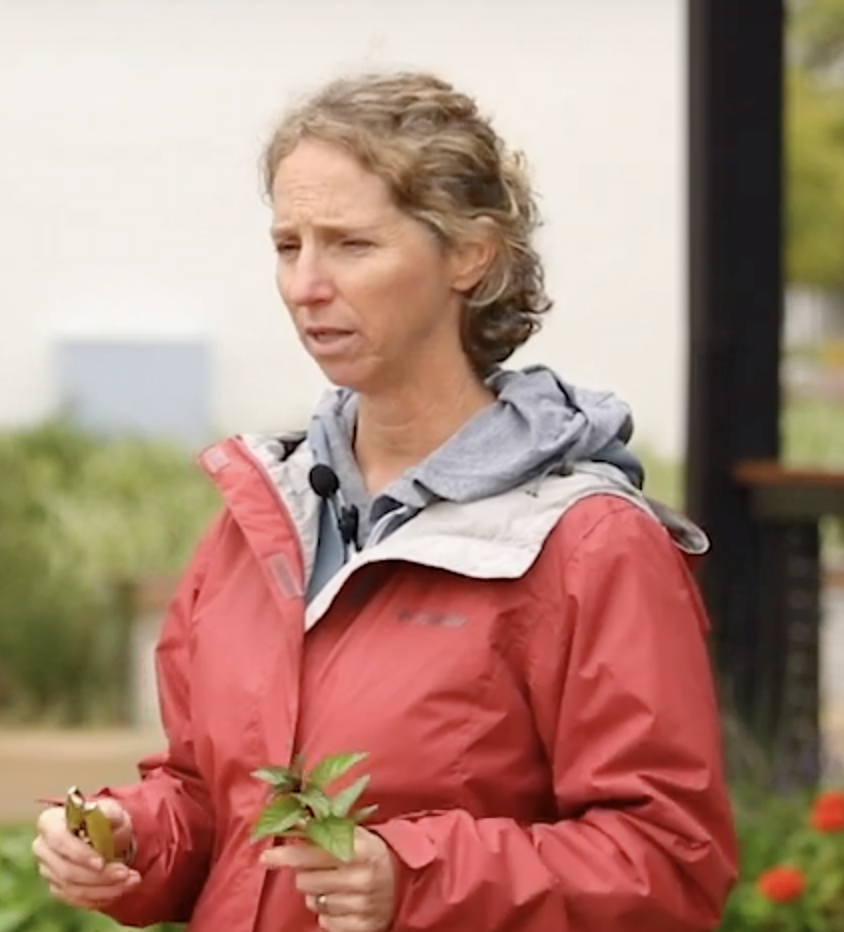
I started my gardening business in 2016 in my front yard in McKinney. What began as building small gardens for neighbors turned into something bigger — a chef asked me to build a garden for his restaurant, then another chef called, then another. Ten years later, I've built edible gardens for hotels, restaurants, and corporate campuses across North Texas. (Read my story in Edible Magazine)
Now I want to share what I've learned with home gardeners. Growing food here isn't like growing food anywhere else — our soil, heat, and seasons demand a different approach. I can help you skip the frustration and start harvesting sooner.
My philosophy is simple: more people should know how to grow at least a little of their own food. It connects you to what you eat, and that matters. Gardening is real work — but when you learn the basics correctly, it becomes a joy instead of a chore.
Credibility factor lorem ipsum
Authority stats and other lorem ipsum
Results and experience lorem ipsum
Why work with Piper
Gardener to the Chef's
I started my gardening business in 2016 in my front yard in McKinney. What began as building small gardens for neighbors turned into something bigger — a chef asked me to build a garden for his restaurant, then another chef called, then another. Ten years later, I've built edible gardens for hotels, restaurants, and corporate campuses across North Texas. (Read my story in Edible Magazine)
Now I want to share what I've learned with home gardeners. Growing food here isn't like growing food anywhere else — our soil, heat, and seasons demand a different approach. I can help you skip the frustration and start harvesting sooner.
My philosophy is simple: more people should know how to grow at least a little of their own food. It connects you to what you eat, and that matters. Gardening is real work — but when you learn the basics correctly, it becomes a joy instead of a chore.
Credibility factor lorem ipsum
Authority stats and other lorem ipsum
Results and experience lorem ipsum
What Customers Think.

Luann McCaddon, Dallas
I met Piper through my daughter and son-in-law's restaurant in McKinney, TX. Chef Robert had a garden for his restaurant Patina Greens. Piper took such great care of that space that when I was ready to install my own home garden I knew I needed Piper's help. She did not disapoint and we grow so many leafy green in our small city yard.
Nancy Keller : Celina, TX
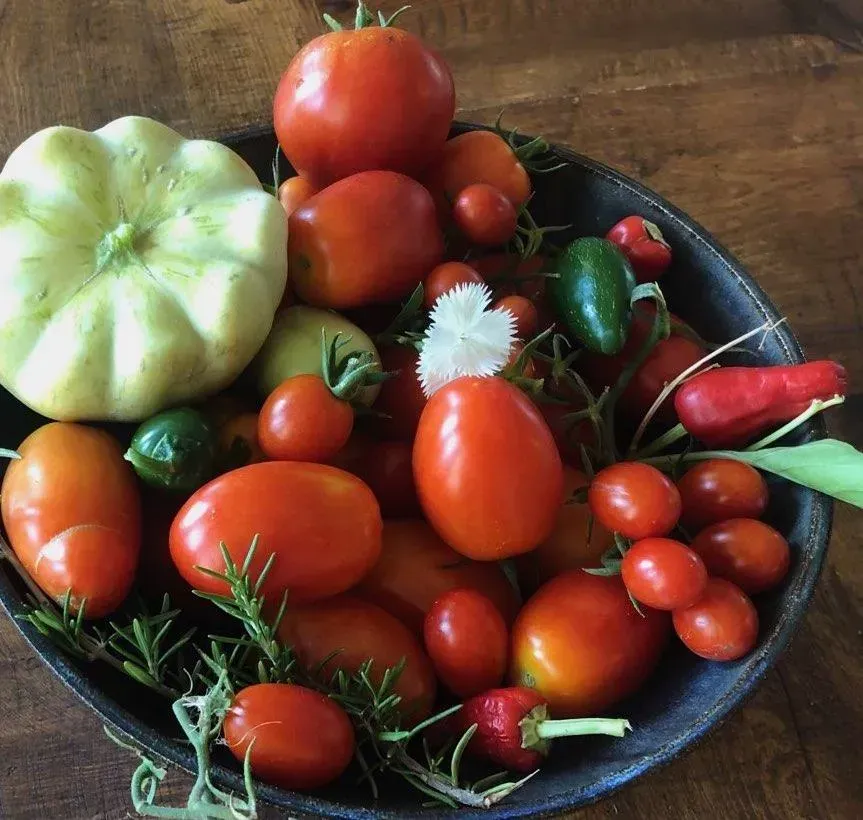
Hey Piper, Hope all is well with you! I've been meaning to text you for a while now... I am thoroughly enjoying our garden. It's super light at the moment, but we have really loved having all of the fresh produce... Sweet potatoes and herbs for Thanksgiving, tomatoes galore, even jars of fermented tomatoes and peppers that were too numerous to eat, beets, parsleys and the ever consistent, hardy chard just keeps on giving! Had broccoli with chicken tonight, the last of the beets for tomorrow, and oh yeah, I had no idea how much basil was needed for basil, but it was amazing!
Joanna Hensley: McKinney, Tx.
We recently purchased land in Mississippi to start an organic farm and garden. We had no idea where to start so we called Piper. She had previously designed a small cottage garden for us in McKinney, TX. so we knew she was an incredible resource. She is intelligent and creative but also possesses deep experiential knowledge. Piper is kind, patient, and relatable. She is an excellent teacher with a gift for communicating essential information while also instilling and inspiring confidence in her client. If you hire Piper, you definitely won’t be disappointed. She is simply amazing!
Upcoming TGL Events
Our courses are designed by experts gardeners who have years of experience and proven results in the affiliate marketing industry.
Upcoming TGL Events
Our courses are designed by experts gardeners who have years of experience and proven results in the affiliate marketing industry.
FAQs for 2026 Spring Garden Prep
If you haven't planted a winter garden this year it's time to get ready for Spring! This will set you up for bountiful Summer Harvest!
When should I start preparing my soil for spring planting?
Soil preparation can begin as early as fall, which allows organic matter and amendments to settle and work into the soil over winter. However, late winter and early spring are also ideal times to begin, as long as the soil is workable and not frozen or overly wet. Work in compost, perform soil tests, and clear debris well before planting to give amendments time to activate.
How do I know if my garden soil is ready for planting?
Soil is ready when it is moist but not soggy, crumbles easily, and warms up after the last frost. Check that previously added amendments like compost are well incorporated and that the bed is free of weeds, rocks, and leftover plant matter. If the soil forms clumps that don’t break apart, let it dry a bit more before further digging or planting.
What organic materials should I add to my soil before spring?
Key organic additions include well-aged compost, leaf mold, or composted manure, all of which improve soil structure, enrich nutrients, and promote beneficial soil microbes. Spread 1–3 inches across the bed surface and lightly mix into the top 6–8 inches for best results. Avoid adding uncomposted materials or fresh manure just before planting, as these can rob soil nitrogen or introduce disease.
Do I need to rototill or dig my soil every year?
For established beds, deep tilling may not be necessary each season unless soil is compacted or depleted. Use a garden fork or broadfork to gently loosen and aerate the top layer, which protects soil structure and reduces disturbance to soil organisms. For new beds, deep digging (8–10 inches) helps roots grow better, but over-tilling annually can degrade soil quality over time.
Should I test my soil before planting? How often?
Conduct a soil test every 1–3 years or whenever you notice poor plant growth, unusual leaf color, or suspect imbalances in nutrients. Early spring or fall is a good time since you’ll have time to adjust pH levels, add necessary nutrients, or address deficiencies before planting. Many county extension offices and nurseries offer inexpensive soil testing services along with recommendations for amendments.
FAQs for 2026 Spring Garden Prep
If you haven't planted a winter garden this year it's time to get ready for Spring! This will set you up for bountiful Summer Harvest!
When should I start preparing my soil for spring planting?
Soil preparation can begin as early as fall, which allows organic matter and amendments to settle and work into the soil over winter. However, late winter and early spring are also ideal times to begin, as long as the soil is workable and not frozen or overly wet. Work in compost, perform soil tests, and clear debris well before planting to give amendments time to activate.
How do I know if my garden soil is ready for planting?
Soil is ready when it is moist but not soggy, crumbles easily, and warms up after the last frost. Check that previously added amendments like compost are well incorporated and that the bed is free of weeds, rocks, and leftover plant matter. If the soil forms clumps that don’t break apart, let it dry a bit more before further digging or planting.
What organic materials should I add to my soil before spring?
Key organic additions include well-aged compost, leaf mold, or composted manure, all of which improve soil structure, enrich nutrients, and promote beneficial soil microbes. Spread 1–3 inches across the bed surface and lightly mix into the top 6–8 inches for best results. Avoid adding uncomposted materials or fresh manure just before planting, as these can rob soil nitrogen or introduce disease.
Do I need to rototill or dig my soil every year?
For established beds, deep tilling may not be necessary each season unless soil is compacted or depleted. Use a garden fork or broadfork to gently loosen and aerate the top layer, which protects soil structure and reduces disturbance to soil organisms. For new beds, deep digging (8–10 inches) helps roots grow better, but over-tilling annually can degrade soil quality over time.
Should I test my soil before planting? How often?
Conduct a soil test every 1–3 years or whenever you notice poor plant growth, unusual leaf color, or suspect imbalances in nutrients. Early spring or fall is a good time since you’ll have time to adjust pH levels, add necessary nutrients, or address deficiencies before planting. Many county extension offices and nurseries offer inexpensive soil testing services along with recommendations for amendments.

© Copyright 2026. The Growers Life by Urban Dirt Co. All Right are Reserved.
© Copyright 2026. The Growers Life by Urban Dirt Co. All Right are Reserved.